Radon testing
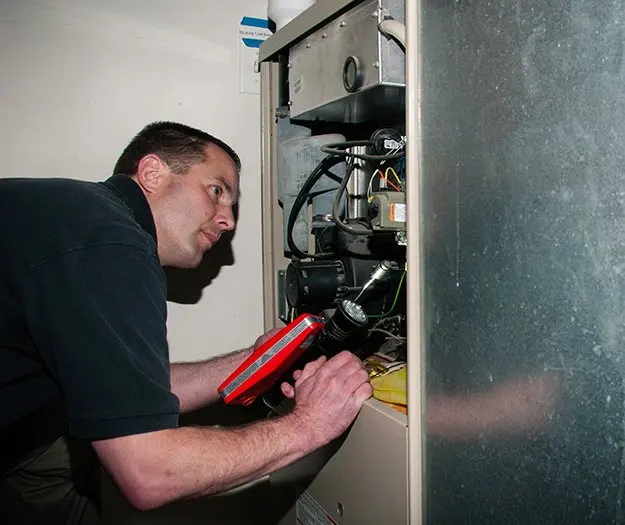
You can’t see, smell, or taste radon. Testing is the only way to know if your family is at risk. Tim performs continuous measurements with calibrated professional equipment.
Why test here?
When Tim started his business, WA DOH suggested radon was rare enough locally that testing didn’t appear necessary. The department now recommends testing, in step with the EPA and the Surgeon General. Most local homes are unlikely to show elevated levels — but some have tested above the EPA action level of 4 pCi/L, and county data is still thin.
From 1990–2020 in San Juan County, WA Tracking Network data cited on his site shows only 52 reported tests: 3.8% above 4 pCi/L, 7.7% in the 2–4 range, and 88.5% under 2.0 pCi/L.
How Tim tests
He has completed extensive radon coursework, passed the National Radon Proficiency Program (NRPP) exam, and holds IAC2 and InterNACHI professional radon tester certifications. Testing uses a laboratory-calibrated, AARST-NRPP and NRSB certified pulsed ionization chamber that records every 10 minutes over 48–96 hours.